
-
Home
- Sites & Memorials
- History
- Stories
- Collections & Archives
- Visit
- News & Events
- About
- Support us
- Login
Marines Hut Props
The interior fit-out of the building hut has been led by Steve La Hood from Wellington-based design company Story Inc. Using a range of WWII Marines props the company has converted it into a ‘story hub’ so people can look through the windows and see a diorama of how the Marines lived during World War II.
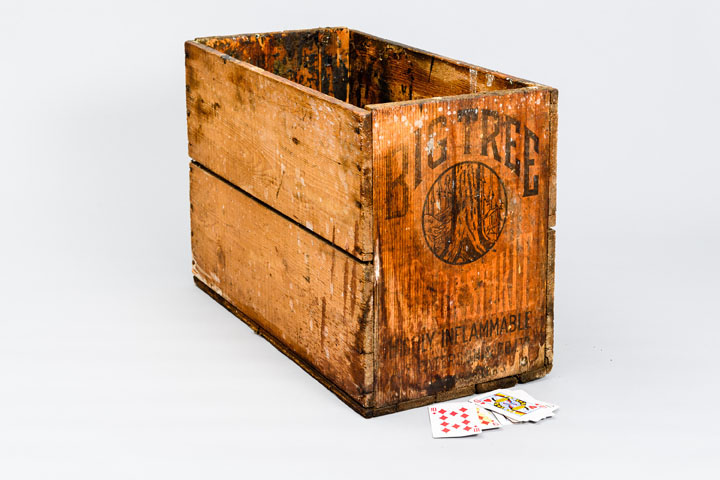
Big Tree petrol box
Big Tree was one of New Zealand's first petrol companies, bought out by Shell in the 1950s. This box held two cans of fuel, but provides a handy card table for the Marines in this hut.
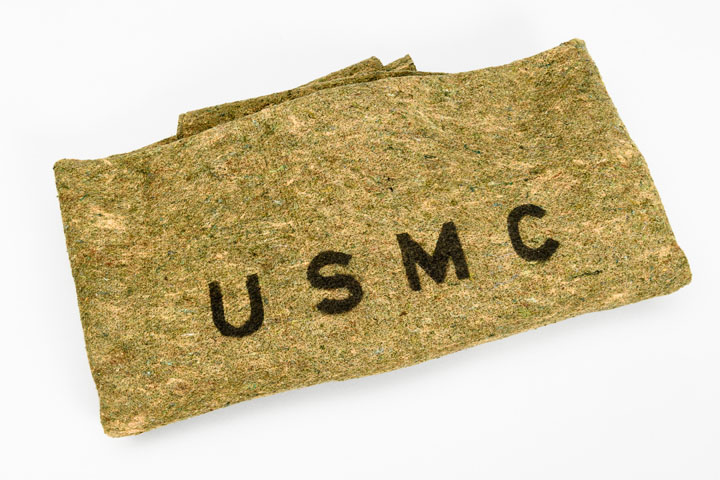
Blanket
Labeled ‘USMC’. Very necessary in the New Zealand winter when huts and especially tents were uncomfortably cold.
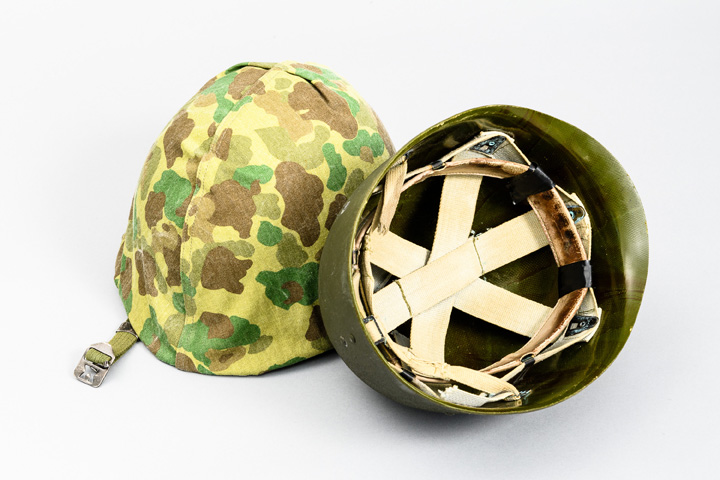
Helmet
The M1 helmet was standard issue for US armed forces from 1941 to 1985. It has two parts: a steel manganese steel shell and a resin-impregnated cotton canvas liner. Both parts are ‘one-size-fits-all’, but the liner is fitted with strips of webbing material that can be adjusted to suit the wearer. On its own the ‘steel pot’ could be used as spade, hammer, bucket, washbasin, seat, and was also used for boiling water for coffee, cooking and shaving. The USMC camouflage helmet cover, adopted in 1943 was made of herringbone twill material printed with a reversible ‘forest green’ pattern on one side and a brown ‘coral island’ pattern on the other for use in tropical environments.
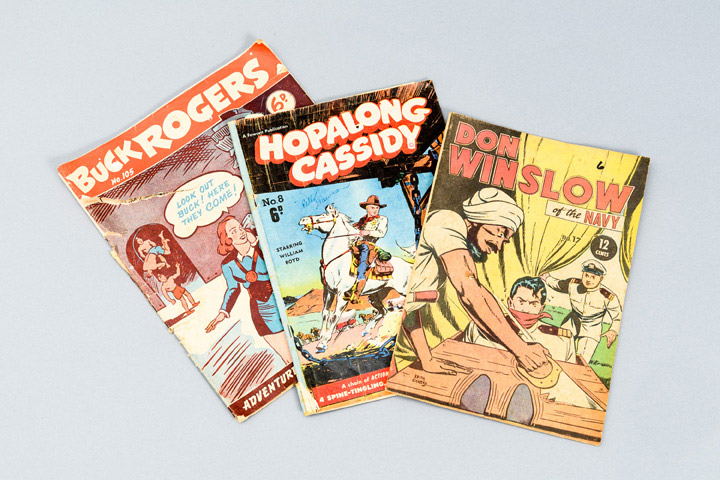
Comics
Comic books such as Buck Rogers, Hopalong Cassidy or Don Winslow of the Navy were favourites at the PX store.
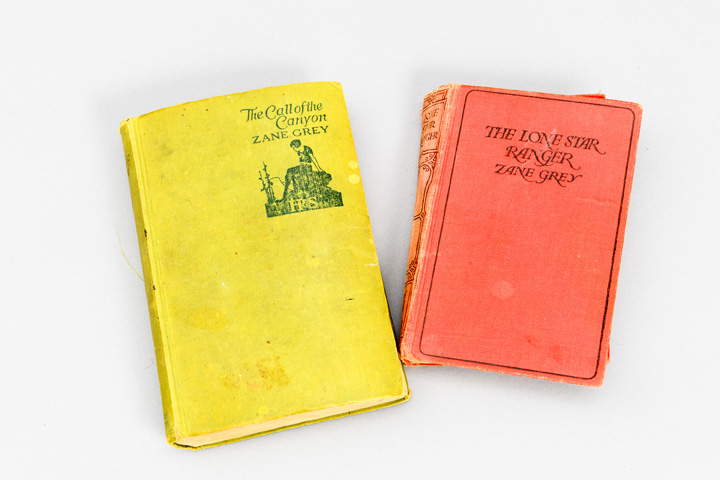
Books
This Marine is keen on the cowboy stories of Zane Grey, a best-selling US author who regularly visited the Bay of Islands for big-game fish.
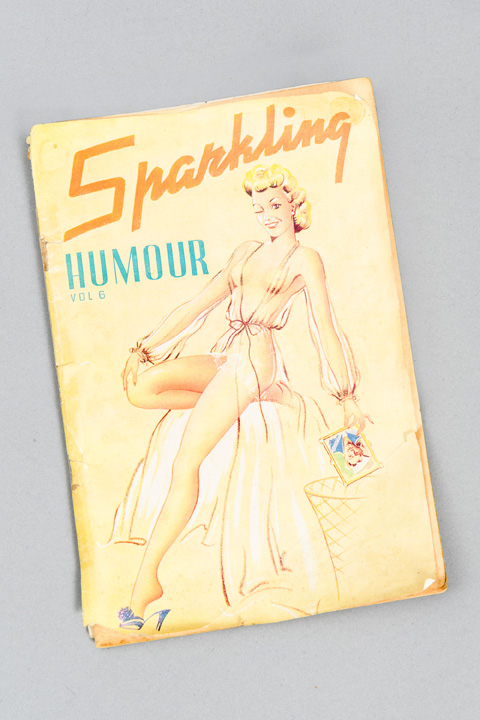
"Sparkling Humour"
Books of jokes with ‘cheesecake’ drawings were popular in the 1940s.
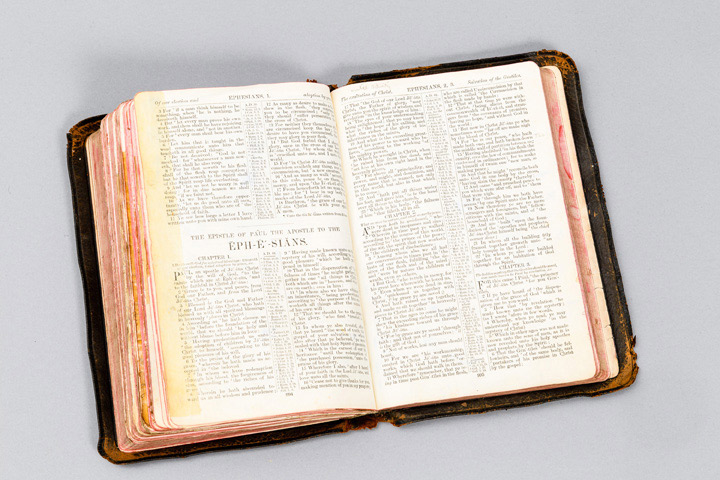
Bible
Many devout Christians Marines were given a Bible by their family and regularly attendedthe churches in Paekākāriki.
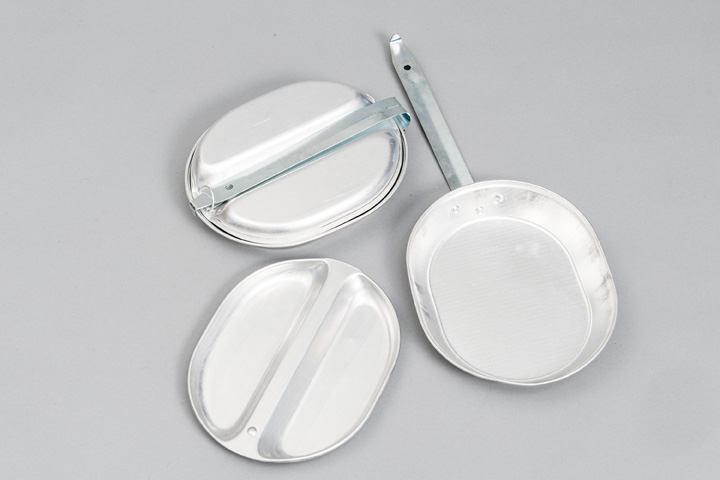
Mess kit
American stainless steel mess tins (‘mess kit’ as they were known) had compartments for different food and one side could be used as a frying pan.
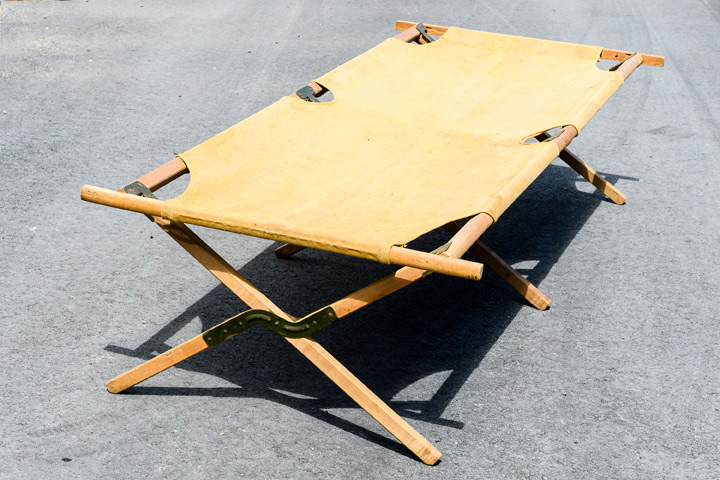
Cot
These folding beds (called ‘camp stretchers by New Zealanders) were snapped up after the war for family camping trips.
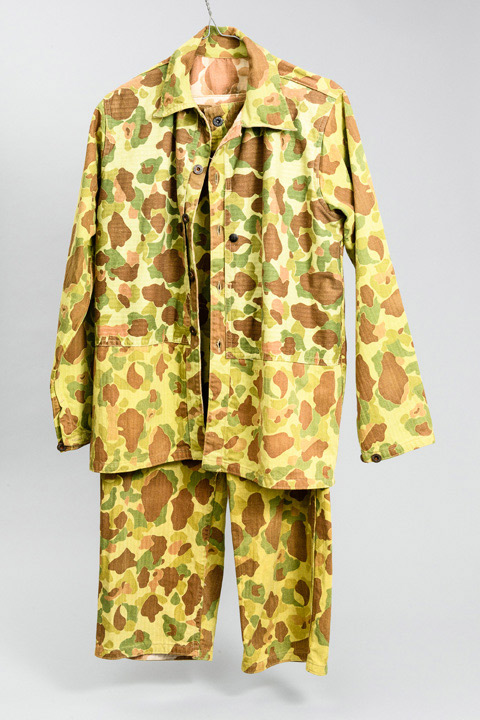
1943 Camouflage Utility Jacket and trousers
Worn in training and in jungle combat. Donated to Paekākāriki Station Museum by a retired Marine.
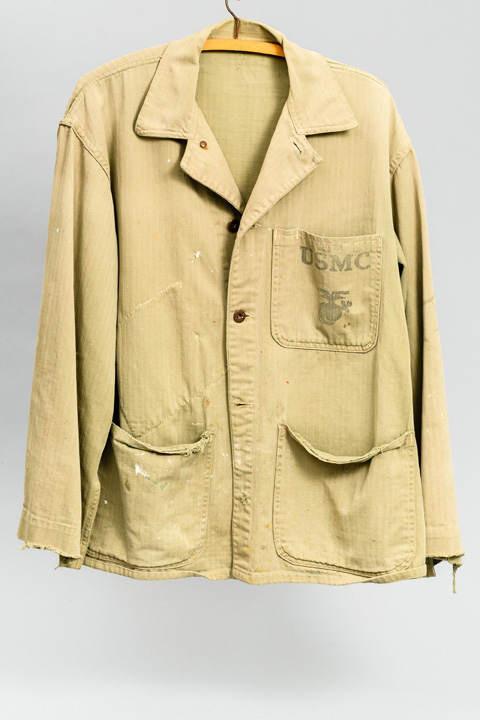
1942 Herringbone Dungaree jacket
Cotton herringbone twill dungaree jacket and trousers were the normal wear in camp, and worn by Marines in the early days of the war.
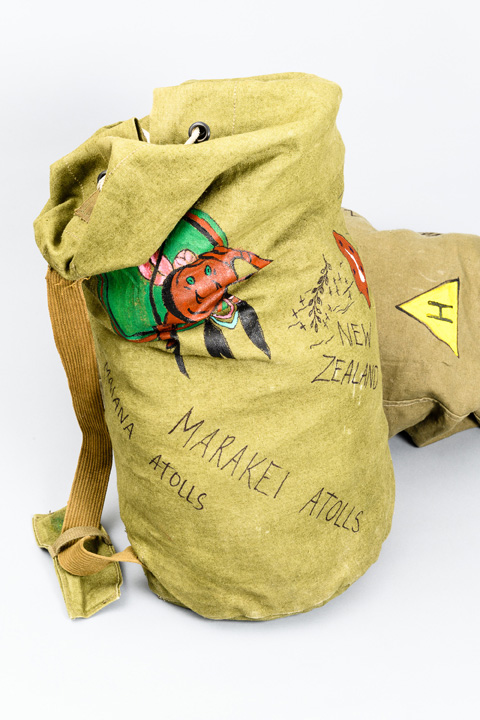
Seabag
A Marine often decorated his ‘seabag’ (called a kitbag by New Zealand troops) with unit emblems, ports of call and battlefields.
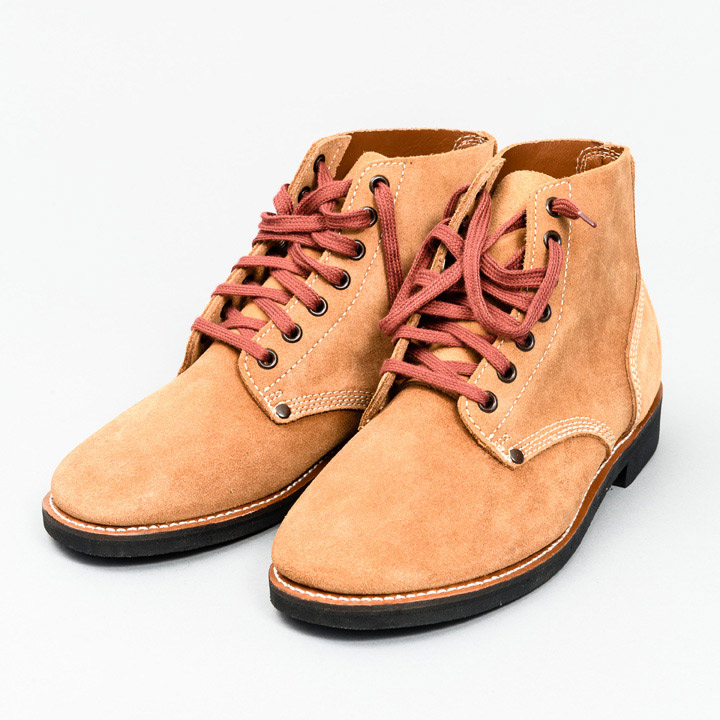
Field Shoes “Boondockers”
US Marine shoes had a high top as protection against mud and sharp objects.
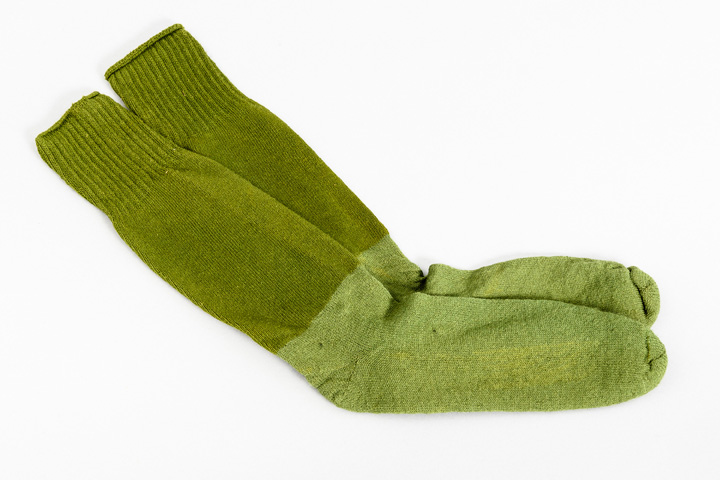
Socks
Wool Socks
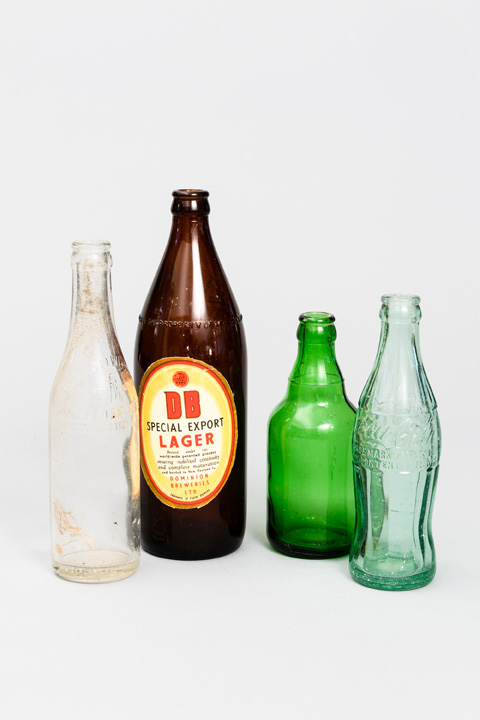
Bottles
These bottles were dug up from a disposal pit beside the tram line 200 metres from here. They include a small American beer bottle, a Coca Cola bottle marked ‘San Diego, Calif.’ and a soft drink bottle from Thompson and Lewis, Wellington as well as New Zealand standard beer bottle.
MarinesNZ.com preserves the history of U.S. Armed Forces on New Zealand’s Kāpiti Coast during World War II and the friendships formed between Kiwis and Americans.
Contact
Kāpiti US Marines Trust Paraparaumu New Zealand